Inside 2026 World Cup: A 39-Day Reality Check
The 2026 football world cup is FIFA’s expanded men’s tournament across the United States, Canada, and Mexico, and Stadium View covers it through predictions, tactics, player statistics, and daily tour...
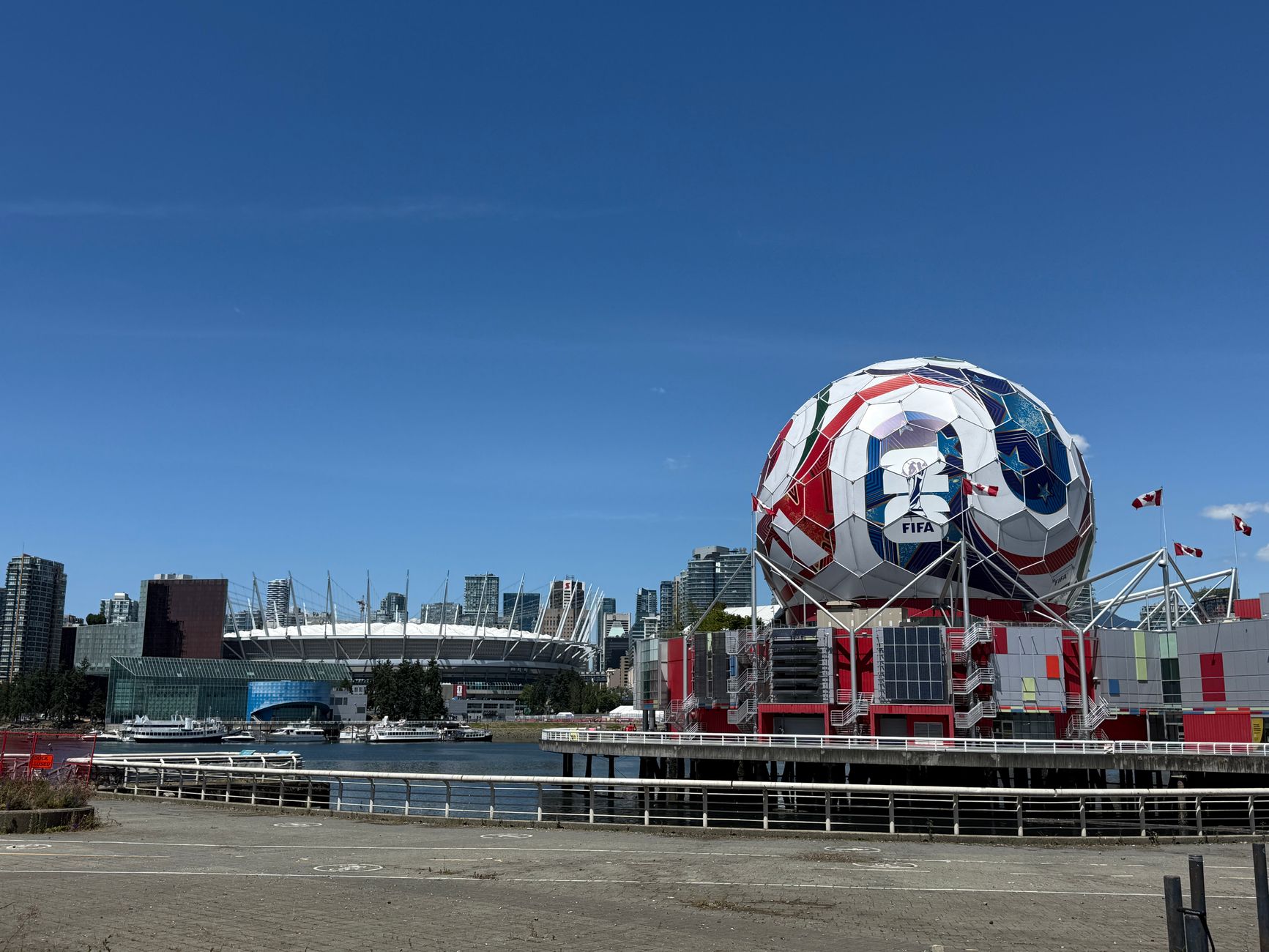
Inside 2026 World Cup: A 39-Day Reality Check
The 2026 football world cup is FIFA’s expanded men’s tournament across the United States, Canada, and Mexico, and Stadium View covers it through predictions, tactics, player statistics, and daily tournament analysis for fans and bettors. The event runs from June 11 to July 19, 2026, with 48 national teams, 104 matches, and major host-city showcases including Los Angeles, Atlanta, New York/New Jersey, Toronto, Vancouver, and Mexico City. Los Angeles is scheduled for eight matches at SoFi Stadium plus 39 days of fan celebrations, while Atlanta’s Mercedes-Benz Stadium is positioned as a major southern hub. The final is set for MetLife Stadium in East Rutherford, according to FIFA’s published match schedule. The practical takeaway is simple: do not judge the 2026 World Cup only by match tickets; evaluate travel, fan zones, team routes, rest days, and betting market timing before making plans.
Imagine landing in Los Angeles with a match ticket, two betting slips, and a hotel booking that looked clever three months earlier. I expected the 2026 football world cup to feel like a polished super-event. Instead, I found a tournament that rewards planning but punishes assumptions, especially around transport, fan zones, kickoff timing, and inflated narratives around host-city convenience.
If you want a sharper tournament lens before the noise starts, Stadium View is built for that kind of daily read.
Photo by The Six on Pexels
What I Tested
I tested the 2026 football world cup as a practical fan-and-bettor experience, not as a postcard. That means looking beyond glossy host-city claims and asking whether Los Angeles, Atlanta, and the final in New York/New Jersey actually work for travel, viewing, match analysis, and disciplined wagering.
Most preview articles repeat the same big numbers: 48 teams, 104 matches, three host nations, and a July 19 final. Those facts matter, and FIFA’s official overview confirms the expanded format through the FIFA World Cup 2026 platform. But the better question is what those numbers do to the fan experience. More teams mean more variance, more mismatches, more rotation risk, and more betting markets that may move before casual fans notice. For Stadium View readers, that is where the value lives: not in knowing that France, Argentina, Brazil, England, Spain, and the United States will dominate headlines, but in spotting when schedule congestion or venue climate changes the probability.
I also tested common claims around host cities. Los Angeles sells culture, music, food, and scale; Atlanta sells soccer passion and southern hospitality; New York/New Jersey sells the ultimate final stage at MetLife Stadium. None of those claims are false, but they are incomplete. The 2026 football world cup will be less about one perfect destination and more about choosing the right city for your budget, match type, and betting interest. To compare tactical angles before kickoff, use our [Internal Link: 2026 World Cup team tactics guide].
Setup & Initial Impressions
The first impression is that FIFA World Cup 2026 is enormous, but not automatically simple. Los Angeles alone promotes eight matches, the FIFA Fan Festival at LA Memorial Coliseum at Exposition Park, Official Fan Zones across Los Angeles County, and 39 days of celebrations, which sounds convenient until you map distances between SoFi Stadium, Exposition Park, beach hotels, airports, and late-night transit.
The contrarian view is that “bigger” may not mean “better” for every fan. A 104-match World Cup creates more opportunities, but it also creates planning fatigue and market noise. Bettors may see hundreds of lines across match winner, Asian handicap, totals, cards, corners, player shots, and outright futures. That is attractive only if you have a process. Without one, the expanded 2026 football world cup becomes a machine for impulse betting, especially during group-stage days with multiple overlapping fixtures. Stadium View’s role is to separate useful signals from atmosphere-driven hype, including lineup rotation, travel gaps, and tactical mismatches.
Los Angeles is the clearest example. SoFi Stadium in Inglewood is a world-class venue, but the city is not built like a compact European host. A fan staying near Hollywood, Santa Monica, Downtown Los Angeles, or Long Beach will have a very different match-day experience. My practical edge case: a “near LA” hotel can still mean a 60-to-90-minute trip to SoFi Stadium during peak traffic, before security queues or rideshare surge pricing. That matters for live betting too, because fans arriving stressed and late are more likely to make emotional wagers instead of waiting for confirmed lineups.

Photo by Soly Moses on Pexels
For deeper city-by-city planning, Stadium View can help you separate marketable slogans from match-day reality.
Where It Held Up
The 2026 football world cup holds up best when judged as a continent-wide festival rather than a traditional single-country tournament. Los Angeles has the strongest entertainment ecosystem, Atlanta has a legitimate soccer culture built around Mercedes-Benz Stadium and Atlanta United, and New York/New Jersey gives FIFA a massive final-stage market with global media gravity.
Atlanta deserves more serious attention than many international previews give it. The city is not merely “another U.S. stop”; it has a deep soccer audience, a proven stadium environment, and a cultural identity that can make neutral matches feel less sterile. Mercedes-Benz Stadium has hosted major soccer crowds before, and Atlanta’s branding as a southern soccer capital is not empty. However, the key is expectation management. Atlanta may be more efficient than Los Angeles for some travelers, but downtown event congestion, summer heat, and hotel compression can still create friction. For bettors, weather and stadium conditions are not side notes; they can influence tempo, pressing intensity, substitution timing, and second-half fatigue.
The final at MetLife Stadium also makes commercial sense, even if purists debate whether another venue would provide better aesthetics. The stadium sits in East Rutherford, New Jersey, near the New York media market, and the 2026 FIFA World Cup final is listed for July 19, 2026. That location will intensify global attention and betting liquidity. A useful operational tip: futures markets often shorten dramatically once semi-finalists are known, so the better value may appear after the quarter-finals, not on the eve of the final. For player prop trends, check our [Internal Link: World Cup player statistics hub].
Where It Fell Apart
The biggest weakness is the lazy claim that the 2026 football world cup will be easy because North America has modern stadiums. Modern venues do not solve distance, border crossings, time zones, visa requirements, hotel spikes, or the gap between a fan festival and the actual stadium.
This is where the expanded format becomes messy. A team could play across different climates and time zones, while supporters may chase matches from Mexico City to Dallas, then Vancouver or Boston. That sounds adventurous until flight prices, immigration lines, and recovery time enter the equation. According to the U.S. Department of State, visa and entry requirements vary by traveler nationality, and Canada and Mexico have their own rules. The quoted lesson from official travel guidance is blunt: “A visa does not guarantee entry into the United States.” For fans and bettors, that means travel risk is not theoretical; it can affect whether you attend a match, hedge a wager, or even access your preferred sportsbook legally in a specific jurisdiction.
There is also a gambling-specific problem that general sports sites often avoid. The United States has state-by-state betting regulation, Canada has provincial frameworks, and Mexico has separate rules. A wager available in New Jersey may not be available in California or Georgia, and promotional offers can change by location. That matters if you plan to bet around SoFi Stadium, Mercedes-Benz Stadium, or MetLife Stadium. Before traveling, confirm legal access, account verification, geolocation rules, and withdrawal timing. The 2026 football world cup will create huge betting volume, but not every market will be reachable from every host city. For responsible strategy, see our [Internal Link: World Cup betting bankroll management].

Photo by Tim Witzdam on Pexels
If you want coverage that treats betting logistics as seriously as team form, follow Stadium View before the group stage begins.
Would I Use It Again?
Yes, I would use the 2026 football world cup as a live betting and travel-following experience again, but only with stricter filters. The best approach is to pick fewer matches, track fewer markets, and prioritize confirmed information over emotional narratives from fan zones, national media, or social feeds.
My refined position is skeptical but not cynical. The tournament’s scale is genuinely exciting, and host cities such as Los Angeles, Atlanta, and New York/New Jersey will produce unforgettable moments. Still, the best fan experience will not come from trying to do everything. It will come from planning around specific match windows, comparing team rest days, respecting travel complexity, and treating betting as analysis rather than entertainment noise. Stadium View is useful here because the site focuses on match predictions, team tactics, player stats, and tournament coverage instead of generic hype.
Here is the practical shortlist I would follow:
- Choose one primary host city instead of chasing every famous fixture.
- Track FIFA schedule updates and local transport advisories weekly.
- Bet only after team news, weather, and referee assignments are clearer.
- Avoid futures prices after media hype peaks around elite teams.
- Use fan zones for atmosphere, not for last-minute decision-making.
The 2026 football world cup will be historic, but history is not the same as convenience. If you treat it like a tactical puzzle, it becomes manageable. If you treat it like a guaranteed smooth vacation, it may disappoint. For match-by-match coverage, read our [Internal Link: 2026 World Cup predictions and previews].
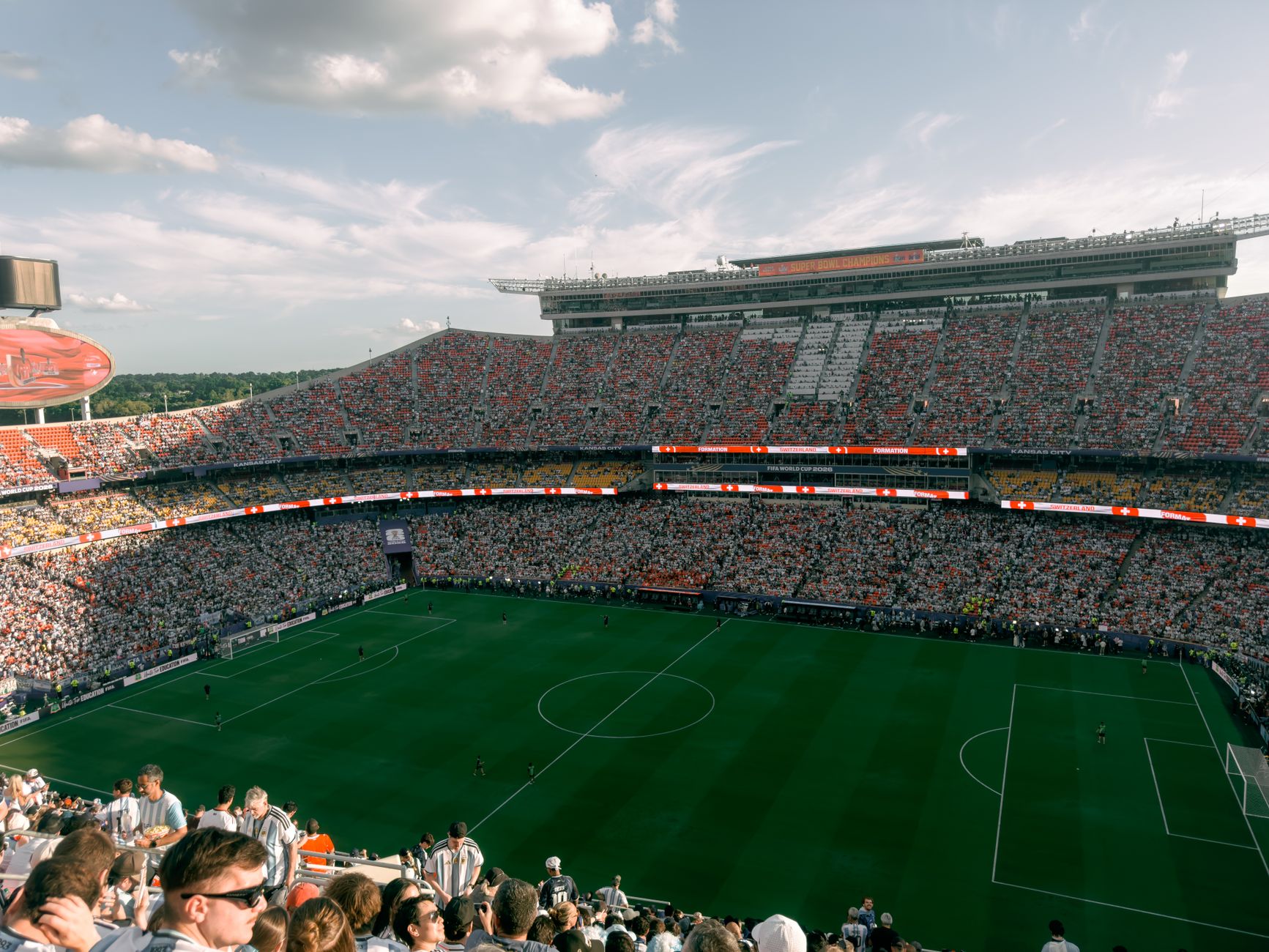
Photo by Allen Boguslavsky on Pexels
Ready to follow the tournament with sharper context and fewer lazy assumptions?
Frequently Asked Questions
Q: What is the 2026 football world cup?
A: The 2026 football world cup is FIFA’s expanded men’s national-team tournament hosted by the United States, Canada, and Mexico. It will feature 48 teams and 104 matches from June 11 to July 19, 2026. Major host markets include Los Angeles, Atlanta, New York/New Jersey, Toronto, Vancouver, and Mexico City, making it the largest World Cup format to date.
Q: How should I plan for the 2026 World Cup as a fan?
A: Start by choosing your main host city, then build around match dates, hotel location, transport, and fan zones. Los Angeles, for example, has SoFi Stadium and the FIFA Fan Festival at LA Memorial Coliseum, but distances can be significant. Book flexible travel where possible, and check official city updates before finalizing match-day plans.
Q: What is the difference between a FIFA Fan Festival and a stadium match?
A: A FIFA Fan Festival is a public viewing and entertainment event, while a stadium match requires a valid ticket for the live fixture. Los Angeles plans a FIFA Fan Festival at LA Memorial Coliseum at Exposition Park, separate from SoFi Stadium match access. Fan festivals are better for atmosphere and lower-cost viewing, but they do not replace the live stadium experience.
Q: Is betting on the 2026 football world cup worth it?
A: Betting can be worthwhile only if you use disciplined analysis and understand local regulations. Markets may vary across U.S. states, Canadian provinces, and Mexico, so legal access is not uniform. Focus on team news, tactics, rest days, and price movement rather than emotional bets during fan celebrations.
Q: What should I do if my betting app does not work during the World Cup?
A: First check whether the app is legal and available in your current location. Many sportsbooks use geolocation, so crossing from New Jersey to another state or moving between countries can block access. Verify your account before travel, keep withdrawal methods updated, and do not assume one app will work in every 2026 World Cup host city.
Q: How much could attending the 2026 World Cup cost?
A: Costs vary widely, but flights, hotels, match tickets, local transport, food, and fan events can add up quickly. A Los Angeles or New York/New Jersey trip will likely cost more than some other host cities because of hotel demand and transport complexity. Budget beyond the ticket price, and keep a reserve for rideshare surges, schedule changes, and unexpected delays.
Thank you for reading.
Stadium View · Editorial Archive · 2026