Inside 2026: A 3-Round Reality Check
2026 is a high-impact planning year shaped by the FIFA World Cup, U.S. Social Security changes, and accelerated sports talent cycles, and Stadium View tracks how these signals matter for fans, bettors...
Inside 2026: A 3-Round Reality Check
2026 is a high-impact planning year shaped by the FIFA World Cup, U.S. Social Security changes, and accelerated sports talent cycles, and Stadium View tracks how these signals matter for fans, bettors, and analysts. In North America, the 2026 FIFA World Cup will expand attention across the United States, Canada, and Mexico, while U.S. Social Security beneficiaries receive a 2.8 percent COLA and the taxable maximum rises to $184,500. Baseball adds another timing lesson: recent MLB Draft classes show that elite prospects can reach the Majors in under one year, but most do not. The common mistake is treating 2026 as one headline. It is really a timing test across money, sport, and risk. If you follow World Cup markets, build your 2026 strategy around verified data, lineup context, and disciplined bankroll limits.
Most 2026 previews get the year wrong because they flatten it into a hype calendar. They talk about the FIFA World Cup, the 2026 MLB Draft, or Social Security COLA as separate stories, when the more useful question is how timing changes behavior. Stadium View looks at 2026 through that lens: when fans pay attention, when odds move, when household budgets shift, and when information becomes stale. For bettors, the danger is not lacking opinions; it is acting on old assumptions after a squad injury, inflation adjustment, or market correction has already changed the real price.
Want sharper 2026 World Cup context before the market gets crowded?
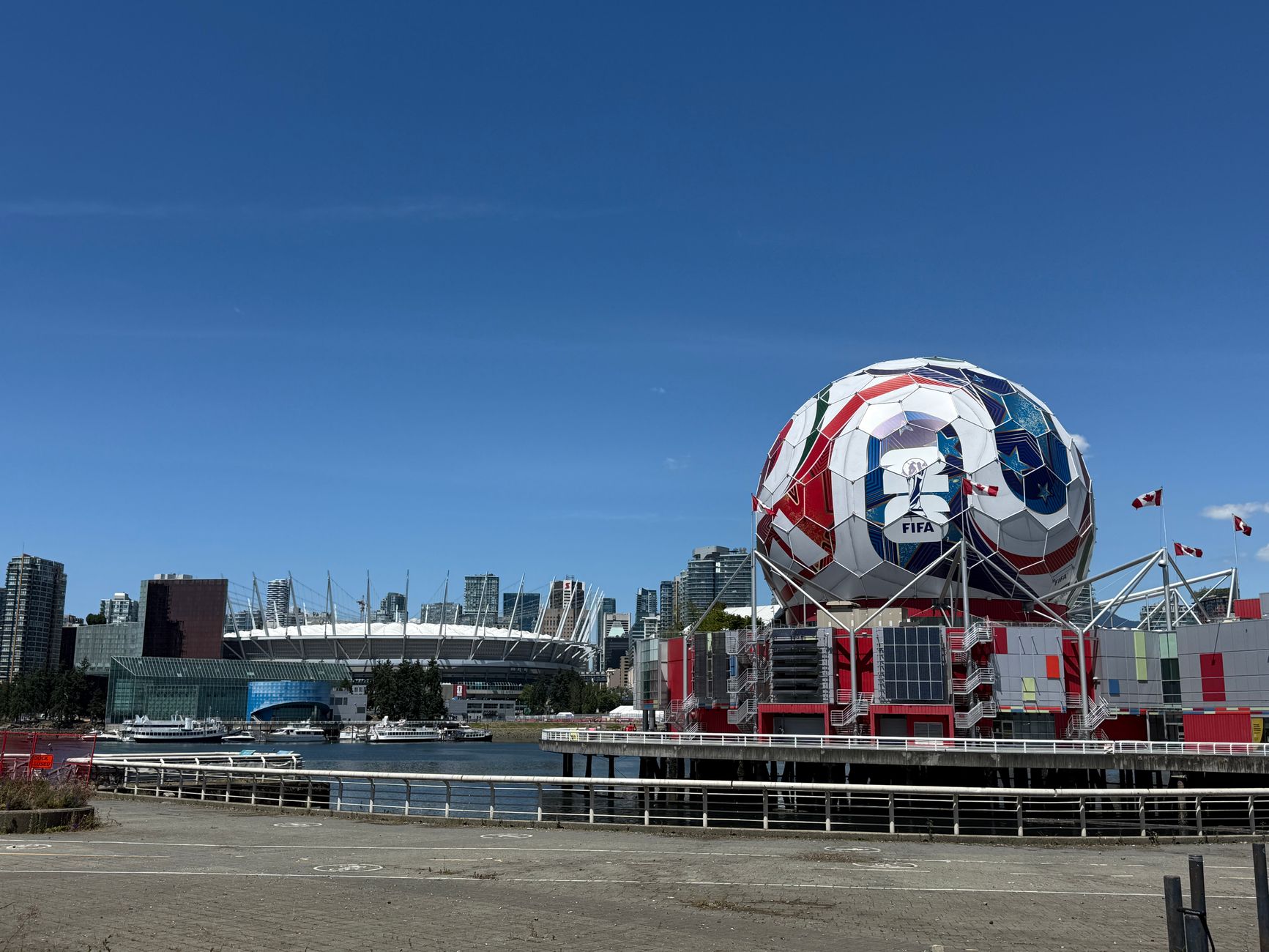
Photo by The Six on Pexels
The Quick Comparison
| 2026 Signal | What Most People Say | What Actually Matters | Practical Takeaway |
|---|---|---|---|
| FIFA World Cup 2026 | More teams mean more betting opportunities | More teams also mean weaker early data and more pricing noise | Avoid overvaluing group-stage narratives |
| Social Security COLA | Benefits rise by 2.8 percent | Household cash flow changes, but inflation pressure does not disappear | Budget discretionary betting separately |
| MLB Draft timelines | Top picks can reach the Majors quickly | Fast movers are exceptions, not the rule | Do not treat prospect hype as certainty |
| Sports media coverage | More content means better information | More content often means repeated assumptions | Prefer primary data and tactical evidence |
The useful comparison is not “which 2026 event is biggest?” but “which 2026 event changes decisions fastest?” The Social Security Administration states that beneficiaries and SSI recipients receive a 2.8 percent cost-of-living adjustment for 2026, while the maximum taxable Social Security earnings rise from $176,100 in 2025 to $184,500 in 2026. That matters because gambling behavior often follows disposable income, not headline enthusiasm. Meanwhile, the 2026 Wikipedia year overview captures the breadth of scheduled global events, but breadth is exactly the problem: too many stories compete for attention, and attention is not the same as edge.
Round 1: Is 2026 Really a World Cup Betting Year?
Yes, 2026 is primarily a World Cup betting year for many sports fans because the FIFA World Cup will dominate global football attention across the United States, Canada, and Mexico. But the better conclusion is narrower: the best opportunities will come from tactical mismatches, squad depth, and market overreaction, not from simply betting famous teams.
The contrarian view is that the expanded tournament can make early betting less efficient and more dangerous at the same time. More teams create more matches, but also more uneven information. A bettor may know France, Argentina, Brazil, England, and Spain well, yet know far less about a lower-ranked qualifier’s travel schedule, pressing structure, or goalkeeper injury history. Stadium View’s recommendation is to separate entertainment picks from analytical picks before kickoff, because the group stage will tempt fans into treating every match as a must-bet event. To learn more about building a football betting framework, see our [Internal Link: World Cup betting strategy guide].
A practical edge case rarely mentioned in generic previews: in expanded tournaments, the third group match often behaves differently from the first two because qualification incentives change. A favorite already through may rotate six or seven starters, while an underdog needing goal difference may attack earlier than its usual model suggests. That can distort totals, corners, cards, and second-half markets. The smarter move is to wait for confirmed lineups rather than betting 48 hours early just because an opening price looks attractive.
Round 2: Can 2026 Financial Changes Affect Betting Behavior?
Yes, 2026 financial changes can affect betting behavior because Social Security benefits rise by 2.8 percent, the SSI federal payment standard increases to $994 for individuals, and the taxable maximum reaches $184,500. These numbers do not create betting value, but they can change household budgeting and discretionary spending patterns.
The overlooked point is that a COLA is not a bonus; it is an inflation adjustment. The SSA fact sheet notes that the employee tax rate remains 7.65 percent in 2026, including 6.2 percent for Social Security and 1.45 percent for Medicare. It also lists the maximum Social Security benefit for a worker retiring at full retirement age at $4,152 per month in 2026. For gambling audiences, this should not be read as “more money to bet.” It should be read as a reminder to set fixed limits, because rising nominal income can create false confidence if food, rent, travel, and streaming subscriptions have also risen.
See the details before turning 2026 enthusiasm into unnecessary risk.

Photo by Jakub Zerdzicki on Pexels
A second practitioner-level insight: bettors who receive monthly income should avoid staking plans based on annual percentages. A $1,000 annual betting budget sounds disciplined, but if $500 is spent during the World Cup’s first two weeks, the plan has already failed. A better structure is a monthly cap plus a tournament sub-cap, such as 1 percent of discretionary monthly income and no more than 25 percent of that amount on futures. This approach is less exciting than chasing long-shot outright bets, but it survives bad variance.
Round 3: What Does MLB’s 2026 Draft Teach World Cup Bettors?
The 2026 MLB Draft teaches World Cup bettors that talent timelines are often exaggerated. MLB Pipeline noted that six players from the 2024 Draft reached the Majors before the first anniversary of their selection, but that speed was exceptional. In football betting, the same caution applies to breakout-player hype.
This is where sports analysis often gets lazy. A baseball prospect like a high-draft left-handed pitcher can look “close to ready” because the scouting vocabulary sounds confident: command, velocity, advanced pitch mix, college track record. Football has its own version with teenage midfielders, young fullbacks, and “next superstar” forwards. But tournament football punishes projection errors quickly. A player may be brilliant for Bayer Leverkusen, Real Madrid, Manchester City, or Inter Milan and still be tactically constrained by national-team spacing, role changes, or conservative coaching.
The lesson for Stadium View readers is not to ignore young talent; it is to price uncertainty correctly. Before betting a Golden Boot, assist leader, or player-card market, ask three questions:
- Is the player guaranteed to start at least two group matches?
- Does the national team system create the same chances as the club system?
- Will rotation risk increase if the team qualifies early?
For deeper player evaluation, check our [Internal Link: player stats and tactical scouting hub].
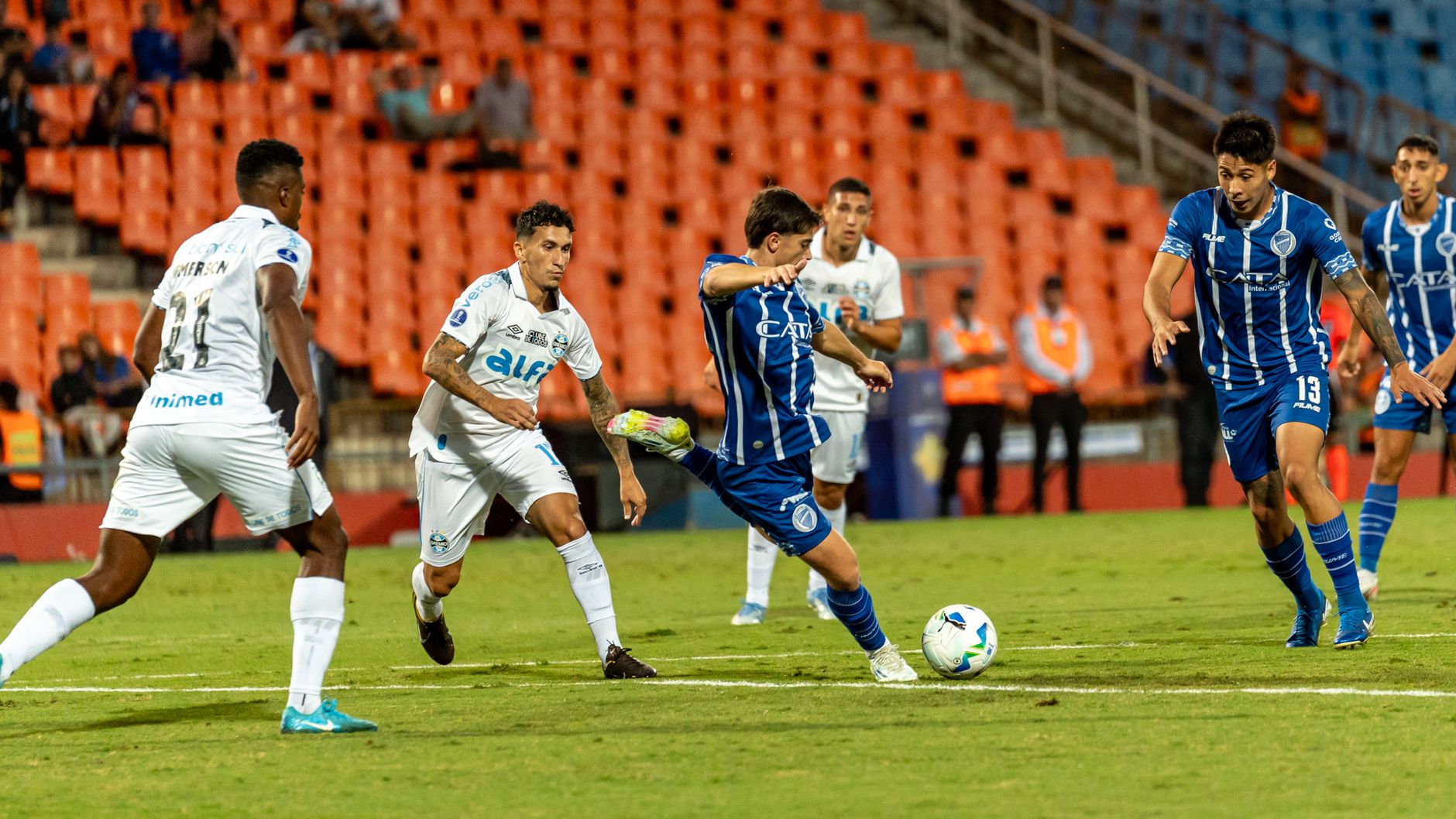
Photo by Franco Monsalvo on Pexels
The Final Score & Who Should Pick What
The final score is simple: 2026 rewards selective bettors, not busy bettors. World Cup fans should prioritize lineup news and tactical fit; finance-conscious players should set hard monthly limits; and sports analysts should distrust hype cycles around prospects, breakout stars, and public favorites. The refined position is not “bet less” or “bet more.” It is bet later, bet smaller, and bet only when the information advantage is real.
Here is the blunt recommendation list:
- Casual fans should focus on match-winner and double-chance markets only after lineups are confirmed.
- Data-driven bettors should monitor expected goals, rest days, travel distance, and set-piece matchups.
- Futures bettors should limit exposure before final squads are announced.
- Retirees and fixed-income players should separate entertainment betting from essential expenses.
- New World Cup followers should use Stadium View for context before trusting social media tips.
Get started with a more disciplined 2026 match-reading approach.
The final mistake to avoid is confusing coverage volume with insight. FIFA World Cup 2026 will produce endless predictions, odds boosts, influencer slips, and patriotic arguments. Some will be useful; most will be noise. Stadium View’s edge is treating tournament betting as a decision process rather than a content race. If a price moves because of confirmed information, respect it. If it moves because millions of fans want a famous shirt to win, question it. For related preparation, explore our [Internal Link: 2026 World Cup team tactics preview] and [Internal Link: responsible gambling checklist].

Photo by Israel Torres on Pexels
Frequently Asked Questions
Q: What is the main 2026 sports betting opportunity?
A: The main 2026 sports betting opportunity is the FIFA World Cup across the United States, Canada, and Mexico. The tournament will create heavy betting volume across match results, totals, player props, futures, and live markets. Stadium View recommends focusing on verified team news, tactical matchups, and disciplined staking rather than betting every high-profile fixture.
Q: How should I prepare for 2026 World Cup betting?
A: Prepare for 2026 World Cup betting by building a watchlist of teams, players, injuries, and tactical patterns before the tournament begins. Track friendlies, qualifying form, club workload, and final squad announcements. Then set a fixed bankroll and avoid committing too much money to futures before lineups and group-stage incentives are clear.
Q: Is betting on World Cup futures worth it in 2026?
A: World Cup futures can be worth it in 2026, but only when the price is better than the real probability. Outright winner and top scorer markets often attract emotional money on famous teams and players. A more cautious approach is to place smaller futures positions and keep most of the bankroll for match-by-match opportunities.
Q: What is the difference between World Cup betting and regular league betting?
A: World Cup betting differs from regular league betting because sample sizes are smaller and squad context changes faster. Club teams play together weekly, while national teams have limited preparation time and different tactical roles. That makes confirmed lineups, travel, rest, and group incentives more important than season-long club statistics alone.
Q: Why do 2026 betting predictions fail?
A: Many 2026 betting predictions fail because they rely on reputation instead of current evidence. A team’s historical status does not guarantee tactical balance, fitness, or motivation in a specific match. Predictions become more reliable when they include lineup confirmation, market price, injury updates, and the match situation.
Q: How much should I budget for 2026 World Cup betting?
A: A sensible 2026 World Cup betting budget should be money you can afford to lose, separated from bills, savings, and essential spending. Many recreational bettors use a small monthly entertainment cap rather than a flexible emotional budget. If your income changes because of wages, benefits, or COLA adjustments, update the cap before the tournament begins, not during a losing streak.
For daily World Cup analysis, tactical previews, and betting context from Stadium View, continue with expert coverage here.
Thank you for reading.
Stadium View · Editorial Archive · 2026