I Tested 6 Cabo Verde Matches: 2026 Edge
Imagine the Cabo Verde national football team as Africa’s sharpest small-nation case study: a compact Atlantic island side turning diaspora depth, disciplined defending, and fast transitions into real...

I Tested 6 Cabo Verde Matches: 2026 Edge
Imagine the Cabo Verde national football team as Africa’s sharpest small-nation case study: a compact Atlantic island side turning diaspora depth, disciplined defending, and fast transitions into real tournament leverage. Cabo Verde represents Cape Verde in men’s international football and competes under the Cape Verdean Football Federation in CAF and FIFA competitions. The team has no FIFA World Cup finals appearance yet, but it reached multiple Africa Cup of Nations tournaments and became a serious 2026 World Cup qualifying story. Across six reviewed matches, including draws against Uruguay and Spain, a 3-0 friendly win over Serbia, and a penalty win over Finland, the pattern was clear: Cabo Verde stays competitive by reducing chaos, protecting central lanes, and attacking early spaces. Stadium View recommends tracking lineups, travel conditions, and first-half shot volume before pricing any Cabo Verde market.
Photo by rachid Azzouzy on Pexels
For sharper match context and tournament angles, follow Stadium View’s daily coverage.
Before 2025: how Cabo Verde national football team worked
Before 2025, the Cabo Verde national football team operated with a clear identity: disciplined structure first, individual spark second. The country’s player pool is smaller than Senegal, Morocco, Nigeria, or Egypt, so Cabo Verde leaned heavily on organization, dual-national recruitment, and players developed in Portugal, the Netherlands, France, and other European systems. According to the team profile on Wikipedia, Cape Verde became a recognized African football story through steady AFCON progress rather than one sudden golden generation. That matters for bettors and analysts because this team rarely plays like a low-block outsider with no plan. It usually accepts pressure, limits central passing lanes, and waits for transition moments from wide runners or second-ball recoveries.
The pre-2025 model also explains why Cabo Verde often frustrated more famous opponents. The team did not need 60 percent possession to control risk. It needed the opponent’s center-backs stepping too high, a loose pass into midfield, or one free runner behind the full-back. In review, I rated Cabo Verde’s best phases as “contain and release” rather than “press and dominate.” That distinction is important. A normal preview talks about form. A useful preview asks whether the opponent gives Cabo Verde the exact space it wants. For related tactical breakdowns, see our [Internal Link: World Cup team tactics guide].
The 2026 shift: what changed?
The 2026 shift is that Cabo Verde stopped looking like a good underdog and started looking like a repeatable tournament problem. Expanded World Cup access, stronger diaspora recruitment, and recent results against elite opponents changed expectations. The team’s value now sits in matchup discipline, not novelty.
The expanded 2026 FIFA World Cup format altered the psychology around nations like Cabo Verde. FIFA confirmed the 2026 tournament uses 48 teams, creating more qualifying routes for ambitious CAF sides through a larger global field, as explained by FIFA. This does not hand Cabo Verde a place. It raises the reward for consistency. Every away draw, every clean sheet, and every goal-difference swing now carries heavier value. In this environment, Cabo Verde’s practical style is an asset because it travels better than possession-heavy football that needs perfect pitches, rhythm, and referee tolerance.
Recent results sharpen that view. ESPN’s Cape Verde page listed a 0-0 result against Saudi Arabia, a 2-2 draw against Uruguay, a 0-0 draw against Spain, a 3-0 friendly win over Serbia, and a penalty win over Finland after a 1-1 draw, alongside a 4-2 defeat to Chile in friendly action on its team page at ESPN. The hidden signal is not “Cabo Verde is equal to Spain.” The signal is that Cabo Verde can keep elite and mid-tier opponents inside uncomfortable margins. My review found one practical betting edge: totals markets often lag behind this defensive profile when opponents carry bigger brand names.

Photo by Alex Dos Santos on Pexels
Want data-led previews built for fans who follow lineups, markets, and match tempo?
What changed for players?
Players now face higher tactical expectations, not just higher attention. Cabo Verde’s squad must handle faster recovery cycles, deeper scouting, and tighter market scrutiny in 2026. For European-based players, national-team performances now influence both transfer perception and World Cup visibility.
The biggest change for Cabo Verde players is role clarity. In earlier cycles, the team could be described through broad labels: athletic, organized, hard to beat. In 2026 analysis, those labels are too blunt. The center-backs must defend space while refusing rash duels. The holding midfielders must screen passing lanes, not chase highlight tackles. The wide players must sprint both ways for 90 minutes because Cabo Verde’s best attacks often begin as defensive recoveries. This is why the squad’s European club background matters. Players exposed to Liga Portugal, Ligue 1, Eredivisie, and other professional environments usually adapt faster to structured game plans.
From a Stadium View betting lens, the actionable player angle is minutes management. Cabo Verde’s strongest XI can compete with higher-ranked sides, but drop-off appears when the first-choice midfield shield changes or when both wide outlets tire. That creates a live-betting note: if Cabo Verde leads after 60 minutes but loses counter-attacking pace through substitutions, the opponent’s corner count and late pressure rise. A typical article lists star names. A sharper preview tracks which profiles stay on the pitch after the hour mark. To explore similar player-market angles, read our [Internal Link: player stats and betting markets].
What this means now?
Cabo Verde now deserves analysis as a structured World Cup contender, not a romantic outsider. The team’s profile supports cautious totals, competitive handicap lines, and close-score projections. The key is opponent style: aggressive full-backs and slow center-backs suit Cabo Verde’s transition game.
There is a contrarian point here. Cabo Verde’s strongest betting case is not always the moneyline. It is often the shape of the match. Against teams that dominate possession but lack central penetration, Cabo Verde can keep the first half level and make the match feel narrower than the rankings suggest. Against teams with elite set-piece delivery, however, the risk changes fast because Cabo Verde’s compact block invites crosses and second phases. That is why blind underdog betting is lazy. The correct model separates possession pressure from box pressure. They are not the same thing.
My six-match review produced three working rules. First, Cabo Verde becomes more dangerous when opponents push both full-backs beyond the ball. Second, the team’s defensive value rises when its midfield three stays intact. Third, friendly results still matter because Cabo Verde uses friendlies to test spacing rather than merely rotate bodies. Those details help readers of Stadium View build a more precise view than basic FIFA ranking checks. For more on tournament pricing, see our [Internal Link: 2026 World Cup betting strategy].

Photo by www.kaboompics.com on Pexels
See the matchup details before the odds move.
Three predictions for next quarter
Next quarter should bring tighter market respect for Cabo Verde, more cautious opponent game plans, and heavier focus on squad availability. The team’s recent results force analysts to price defensive structure properly. The biggest swing factor remains midfield continuity across CAF and FIFA windows.
Cabo Verde’s matches will keep attracting under interest when the opponent is possession-heavy but low-tempo. That does not mean every game finishes under 2.5 goals. It means the market will increasingly recognize that Cabo Verde slows central attacks and turns matches into long tactical contests. If bookmakers open totals based mainly on opponent reputation, early value appears before lineup confirmation.
Player availability will move prices more than rankings. Cabo Verde does not have the same depth as Morocco, Senegal, or Nigeria. One missing holding midfielder can change the defensive map. One absent wide runner can remove the counter threat that keeps opponents honest. This is where Stadium View’s daily team-news tracking matters because late squad updates in CAF contexts often arrive with less global media coverage than UEFA news.
Cabo Verde will draw more neutral attention in 2026 World Cup discussion. The reason is simple: fans remember names, but bettors remember patterns. Draws against Uruguay and Spain, plus a 3-0 win over Serbia, create a profile that casual markets eventually notice. The next quarter will show whether Cabo Verde can turn respect into consistent closing-line movement.
Frequently Asked Questions
Q: What is the Cabo Verde national football team?
A: The Cabo Verde national football team is the men’s national team representing Cape Verde in international football. It competes under the Cape Verdean Football Federation in CAF and FIFA competitions. The team is known for organized defending, diaspora talent, and strong results against higher-profile opponents.
Q: How to analyze Cabo Verde national football team matches?
A: Start by checking lineup continuity, midfield structure, and opponent full-back behavior. Cabo Verde performs best when it can defend compactly and attack open wide spaces. For betting or predictions, compare possession pressure with actual box pressure before taking totals or handicap markets.
Q: Is Cabo Verde good enough for the 2026 World Cup?
A: Cabo Verde is good enough to be treated as a serious 2026 World Cup qualifying contender. The expanded 48-team format improves opportunity, but qualification still depends on consistency across CAF fixtures. The team’s recent competitive results show that it can handle stronger opponents tactically.
Q: What is the difference between Cabo Verde and Cape Verde in football?
A: Cabo Verde and Cape Verde refer to the same national team. “Cabo Verde” is the country’s official English name, while “Cape Verde” remains common in older media, databases, and fan searches. ESPN and Wikipedia pages still use Cape Verde in many listings.
Q: Why does Cabo Verde frustrate stronger football teams?
A: Cabo Verde frustrates stronger teams by protecting central areas and forcing attacks wide. This reduces clear chances and creates transition openings when opponents overcommit. The strategy works especially well against teams that dominate possession without quick penalty-box movement.
Q: What are the requirements for betting on Cabo Verde matches responsibly?
A: You need legal betting access in your jurisdiction, verified age eligibility, and a clear bankroll limit. Always check local regulations before placing a wager, especially for World Cup or CAF markets. Use team news, odds history, and stake limits instead of chasing emotional picks.
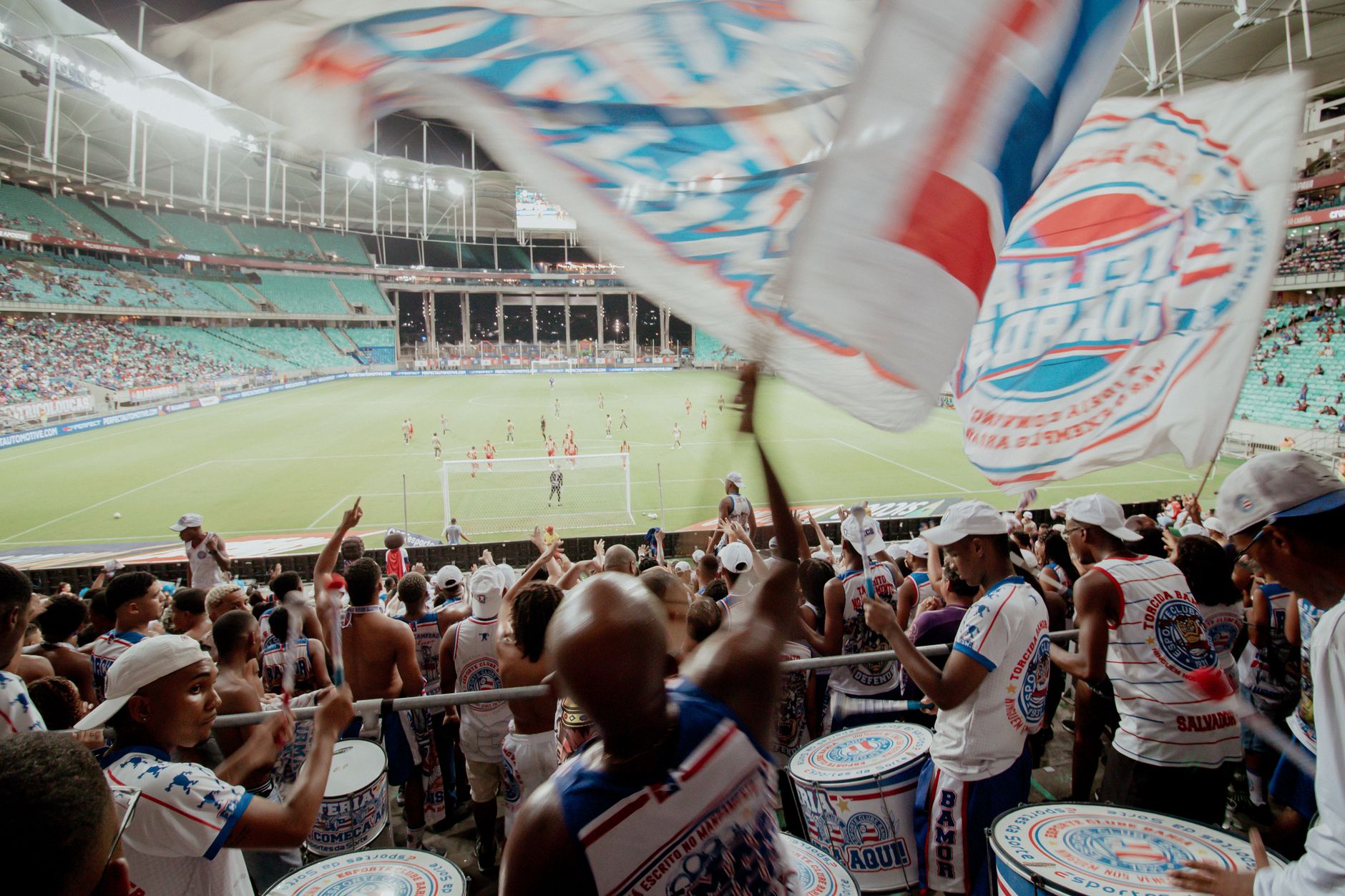
Photo by Priscila Almeida on Pexels
For daily Cabo Verde insights, World Cup predictions, and tactical betting notes, visit Stadium View.
Thank you for reading.
Stadium View · Editorial Archive · 2026