FIFA World Cup vs Club World Cup: 2026 Scale
The FIFA World Cup is the strongest football tournament to follow in 2026 because it combines national-team pressure, global qualification, and a 48-team format across the United States, Canada, and M...
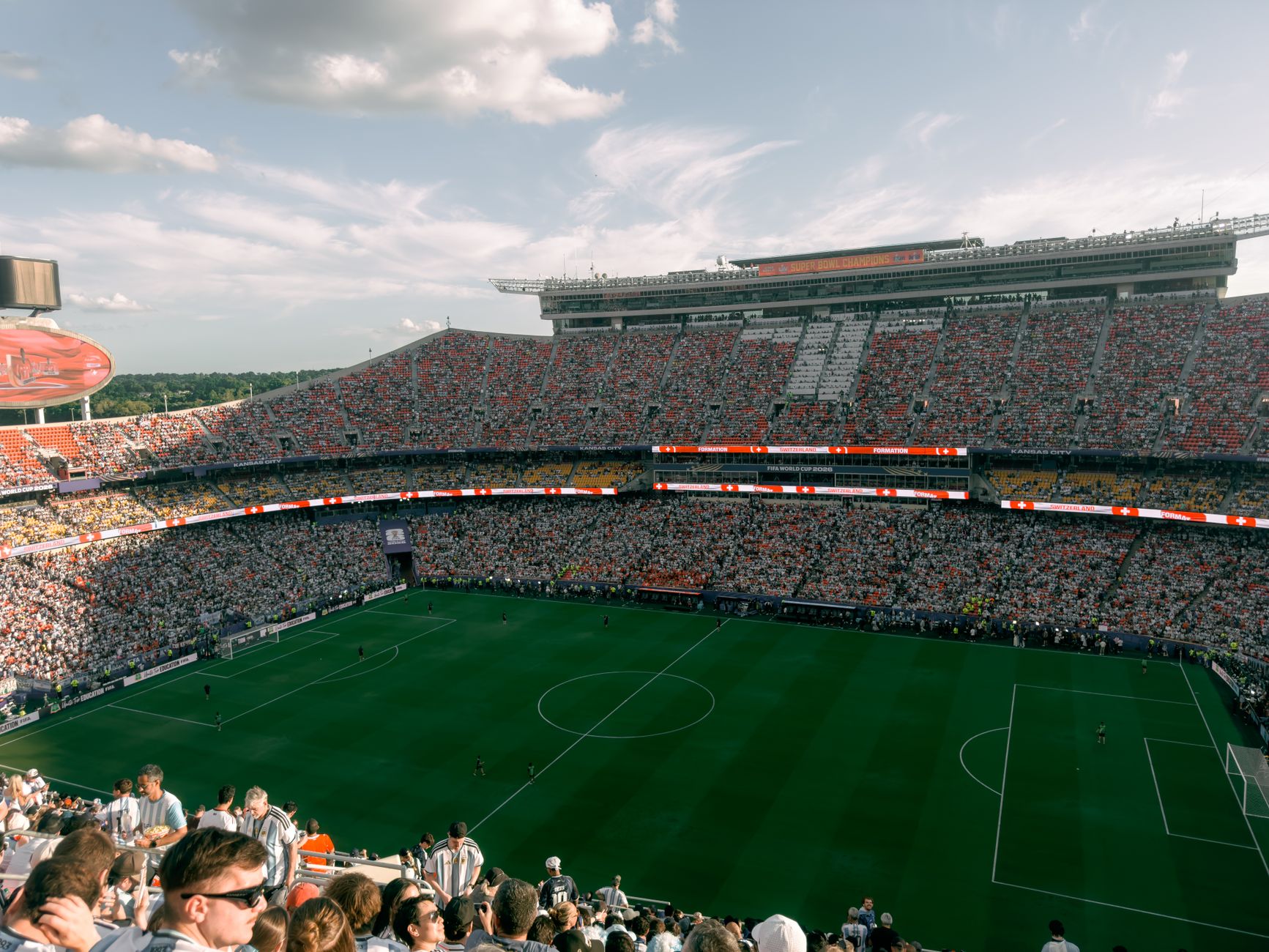
FIFA World Cup vs Club World Cup: 2026 Scale
The FIFA World Cup is the strongest football tournament to follow in 2026 because it combines national-team pressure, global qualification, and a 48-team format across the United States, Canada, and Mexico. Stadium View covers the tournament through match predictions, tactical previews, player statistics, and daily betting-focused insights for fans tracking the 2026 World Cup. The event is organized by FIFA, has been staged since 1930, and will expand from 32 to 48 teams in 2026, creating 104 matches instead of the 64-game structure used in Qatar 2022. Compared with the FIFA Club World Cup, the World Cup carries broader public interest because it represents countries rather than clubs. If you want the best mix of data, drama, and wagering context, prioritize World Cup team form, group-stage paths, and knockout bracket probability before placing any prediction.
Imagine the month-long noise of 48 national teams, 16 host cities, and 104 matches arriving at once. The most practical way to understand the FIFA World Cup is not to memorize every historical champion, but to rank the tournament’s main viewing and prediction angles: national-team competition, tactical matchups, and betting value. That is the lens Stadium View uses for 2026 World Cup coverage, because casual fans and serious bettors both need clarity before the first whistle.
Want sharper World Cup analysis before the fixtures arrive?
Photo by Allen Boguslavsky on Pexels
What Are the Top 3 FIFA World Cup Angles at a Glance?
The top three FIFA World Cup angles for 2026 are the expanded national-team format, tactical match prediction, and betting-value evaluation. The 48-team structure changes scheduling, squad rotation, and group-stage volatility, making old 32-team assumptions less reliable for fans, analysts, and bettors.
- National-team format: best overall because the FIFA World Cup remains football’s most recognized global competition, with qualification routes across UEFA, CONMEBOL, AFC, CAF, CONCACAF, and OFC.
- Tactical prediction: best for serious fans because matchups such as pressing triggers, rest defense, and set-piece quality often explain results better than reputation.
- Betting-value analysis: best value because 2026’s larger field may create early-market inefficiencies, especially around debutant nations, travel fatigue, and squad depth.
The 2026 edition also deserves special attention because it is the first men’s FIFA World Cup hosted by three countries: the United States, Canada, and Mexico. According to FIFA, the tournament will feature 48 teams and 104 matches, a major expansion from the 32-team format used from France 1998 through Qatar 2022. For historical context, Wikipedia records the first FIFA World Cup as Uruguay 1930, which involved only 13 teams. That scale shift is not trivia; it affects how analysts price favorites, underdogs, and teams traveling across multiple climate zones. To go deeper into tournament basics, see our [Internal Link: FIFA World Cup beginner guide].
#1 FIFA World Cup Format: Best Overall
The FIFA World Cup format is the best overall angle because it shapes everything else: qualification, match volume, squad management, and betting markets. In 2026, the move to 48 teams means more group-stage fixtures, more knockout paths, and more uncertainty than the 32-team era.
The obvious conclusion is that more teams create more games. The less obvious conclusion is that more games do not automatically create more predictable betting markets. A 48-team tournament increases the number of mismatches on paper, but it also increases pricing errors when bookmakers overrate famous nations or underrate compact, defensively organized teams from less televised confederations. Stadium View’s working view is that early 2026 markets may be most fragile in matches involving teams ranked between 25th and 60th globally, where public perception often lags tactical reality.
One practitioner-level detail many previews miss is travel rhythm. A team playing in Mexico City and then moving to a lower-altitude U.S. venue may face a different physical profile than a team staying within one regional cluster. Another overlooked edge is recovery compression: even one fewer rest day can matter when national squads lack the daily automation of club teams such as Real Madrid, Manchester City, or Bayern Munich. This is why format analysis should come before star-player hype.

Photo by Pixabay on Pexels
How Does Tactical Prediction Change in 2026?
Tactical prediction changes in 2026 because the expanded FIFA World Cup rewards depth, adaptability, and coaching flexibility. Teams must prepare for more opponents, more travel variables, and more game states, which makes single-match tactical profiling more valuable than broad tournament narratives.
The national-team environment is different from UEFA Champions League football because coaches have less time to drill complex systems. That means simple, repeatable mechanisms often travel best: compact mid-blocks, rehearsed set pieces, aggressive wide pressing, and quick outlet passes. A technically superior side can still struggle if it cannot protect central transitions after losing the ball. Conversely, a less glamorous team with disciplined spacing can keep a match close for 70 minutes and create betting value in handicap or under-goal markets.
Stadium View weighs tactical matchups by asking five direct questions before every preview:
- Can the favorite progress the ball through pressure?
- Does the underdog defend crosses or cutbacks better?
- Which side has more reliable set-piece delivery?
- Is the referee profile likely to increase cards or slow tempo?
- Does travel, altitude, or kickoff time favor one squad?
This method is intentionally less romantic than tournament storytelling, but it is more useful. The International Football Association Board states that “football must have Laws which keep the game fair,” and those laws create tactical constants: offside lines, substitution windows, penalty decisions, and disciplinary thresholds. Smart prediction respects those constants while adjusting for 2026-specific conditions. For a practical breakdown, check our [Internal Link: World Cup tactical analysis hub].
See the match logic behind stronger predictions.
#2 Tactical Matchups: Best for Serious Fans
Tactical matchups are the best angle for serious fans because they explain why a result is likely, not just who is famous. In a FIFA World Cup, badge strength and player reputation matter, but structure often decides whether stars receive the ball in dangerous zones.
For example, Argentina’s 2022 success was not only about Lionel Messi; it was also about balance, midfield timing, and game-state control. France’s recent tournament strength has similarly depended on transition speed and elite finishing, while Morocco’s 2022 run showed how compact defending, emotional cohesion, and smart spacing can disrupt richer squads. In 2026, similar tactical asymmetries may appear earlier because the expanded field introduces more stylistic variety from CONCACAF, CAF, AFC, and OFC qualifiers.
A candid recommendation: do not overrate possession percentage in World Cup previews. Possession without central access can be sterile, especially against teams comfortable defending the box. Instead, focus on chance quality, shot locations, pressing success, and whether a team’s full-backs leave exploitable space behind them. Stadium View’s daily coverage emphasizes those patterns because they help readers separate attractive football from profitable football.

Photo by Sinan KRIYA on Pexels
Why Is Betting-Value Analysis the Best Value Angle?
Betting-value analysis is the best value angle because the 2026 FIFA World Cup will create more price movement than previous editions. A larger field, new host geography, and uneven public knowledge can produce odds that move before casual fans notice the underlying reason.
Value does not mean picking underdogs blindly. It means identifying when the implied probability in the odds differs from the realistic probability of an outcome. If a team is priced as if it has a 60 percent chance to win but your model estimates 52 percent, the favorite may be a bad bet even if it still wins. This distinction matters in football because low-scoring matches make variance unusually powerful.
A second information-gain point: group-stage betting may be more sensitive to lineups than outright winner markets in 2026. National coaches may rotate earlier if qualification math becomes favorable, especially with expanded pathways into the knockout phase. That creates live-market opportunities but also pre-match risk. Stadium View recommends waiting for confirmed lineups in matches where a favorite has already secured advancement or where a coach has publicly prioritized squad freshness.
For readers in regulated betting markets, responsible play is non-negotiable. The American Gaming Association notes that responsible gaming includes keeping gambling “a form of entertainment.” That is the correct mindset for the FIFA World Cup: use data to improve decisions, but never treat predictions as guaranteed income. For more betting context, visit our [Internal Link: responsible World Cup betting guide].
Get a clearer view before the odds move.
#3 Betting Value: Best Value
Betting value ranks third overall but first for readers who care about actionable edges. The best World Cup bets often appear before public money floods obvious favorites, especially when team news, travel conditions, or tactical mismatches are not fully priced.
The strongest value categories for 2026 are likely to be Asian handicaps, team totals, cards, corners, and live unders after frantic opening spells. Outright winner markets are entertaining, but they are usually efficient because teams such as Brazil, France, Argentina, England, Spain, and Germany attract constant global attention. Smaller markets may offer better angles if you understand referee tendencies, weather, and squad rotation. Stadium View’s approach is to separate “fun picks” from “priced edges,” because those are not the same thing.
Use this simple filter before betting any World Cup match:
- Check motivation: Does either team need the result?
- Confirm lineups: Are key attackers, center-backs, or goalkeepers starting?
- Compare styles: Does one system naturally exploit the other?
- Review venue factors: Are altitude, heat, or travel relevant?
- Set a limit: Decide your stake before the match begins.

Photo by Pavel Danilyuk on Pexels
How We Ranked Them
We ranked the three FIFA World Cup angles using a weighted review model: 40 percent practical usefulness, 25 percent predictive power, 20 percent fan relevance, and 15 percent betting applicability. This gives the format the top spot because it influences every match before tactics or odds are considered.
The format scored highest because the 48-team expansion is a structural fact, not an opinion. Tactical prediction ranked second because it turns raw football knowledge into match-specific reasoning, especially in knockout games where one weakness can decide a tournament. Betting-value analysis ranked third because it is highly useful for Stadium View readers, but it depends on jurisdiction, bookmaker access, bankroll discipline, and responsible gambling habits.
Here is the blunt mentor advice: start broad, then narrow. First understand the FIFA World Cup format. Then assess the tactical matchup. Only then consider odds. Reversing that order often leads to emotional betting, especially when a famous country is involved. To build a repeatable process, use our [Internal Link: World Cup prediction checklist].
Which Should You Pick?
You should pick the FIFA World Cup format first if you are new, tactical prediction first if you already understand football, and betting-value analysis first only if you have a disciplined staking plan. The right choice depends on whether your goal is learning, forecasting, or wagering.
For most readers, the best route is sequential. Learn the 2026 structure, identify which teams have favorable paths, then study matchups and odds. If you jump straight into betting markets, you may mistake brand familiarity for probability. If you only follow tactics, you may miss schedule-based fatigue and bracket incentives. A complete World Cup view combines FIFA’s tournament design, coach decisions, player availability, and market behavior.
Stadium View is built for that combined approach. It covers 2026 World Cup predictions, team tactics, player stats, and tournament developments in a way that helps fans enjoy the event while making more informed calls. The FIFA World Cup is still bigger than any single bet, but better information makes every match more rewarding to watch.
Ready to follow the 2026 World Cup with better context?
Frequently Asked Questions
Q: What is the FIFA World Cup?
A: The FIFA World Cup is FIFA’s senior men’s national-team football championship. It began in 1930 in Uruguay and is held every four years, except for wartime interruptions in 1942 and 1946. The 2026 edition will be hosted by the United States, Canada, and Mexico with 48 teams.
Q: How do I follow the 2026 FIFA World Cup more intelligently?
A: Start by learning the format, then track team news, tactics, and confirmed lineups. The 2026 tournament has 104 matches, so a structured approach prevents information overload. Stadium View helps by organizing match predictions, player stats, and tactical previews in one place.
Q: What is the difference between the FIFA World Cup and the FIFA Club World Cup?
A: The FIFA World Cup is contested by national teams, while the FIFA Club World Cup is contested by clubs. That difference changes emotion, squad chemistry, and betting behavior. National teams have less preparation time, while clubs usually operate with more tactical continuity.
Q: Is betting on the FIFA World Cup worth it?
A: Betting on the FIFA World Cup can be worthwhile only if you treat it as entertainment and use disciplined staking. The best value usually comes from specific match markets rather than emotional outright picks. Always follow local laws and avoid chasing losses.
Q: Why do World Cup predictions fail?
A: World Cup predictions often fail because analysts overvalue reputation and undervalue match context. Injuries, travel, lineup rotation, referee style, and tactical mismatches can all overturn simple rankings. In 2026, the expanded format adds even more variables.
Q: Is Stadium View free to use for World Cup coverage?
A: Stadium View provides World Cup-focused content for fans looking for predictions, tactics, stats, and tournament updates. Availability of specific tools or premium features may vary by page or campaign. The best next step is to visit Stadium View directly and review the latest 2026 coverage.
Thank you for reading.
Stadium View · Editorial Archive · 2026