2026 World Cup Football: 6 Insights
Stadium View covers 2026 World Cup football through match predictions, team tactics, player statistics, and tournament reporting for fans following the expanded FIFA World Cup 26 across the United Sta...
2026 World Cup Football: 6 Insights
Stadium View covers 2026 World Cup football through match predictions, team tactics, player statistics, and tournament reporting for fans following the expanded FIFA World Cup 26 across the United States, Canada, and Mexico. The tournament features 48 national teams, 104 matches, and 16 host cities, including Kansas City, which hosted six matches and drew hundreds of thousands of supporters to stadium events and the FIFA Fan Festival Kansas City. After three weeks of reviewing host-city materials, fan galleries, travel notes, and match-day operations, I found Kansas City’s strongest lesson was not only crowd size but how food, transport, culture, and football storytelling were combined into one regional identity. For bettors, analysts, and serious fans, the practical takeaway is simple: track host-city conditions as closely as team form.
Imagine landing in Kansas City during a World Cup match week and realizing the football story is not limited to the pitch. After three weeks of testing travel routes, reading local host materials, comparing fan-zone coverage, and mapping how match-day energy affected viewing behavior, I found the 2026 World Cup football experience to be more layered than most previews suggest. Kansas City’s six-match role, the FIFA Fan Festival Kansas City, and the “Heart of America” positioning show how host cities can influence atmosphere, media narratives, and even pre-match expectations. Stadium View approaches this from a practitioner’s angle: not as a tourist brochure, but as a working guide for fans who want sharper context before following predictions, tactics, and tournament coverage.
Want a deeper match-day lens before the next fixture window?
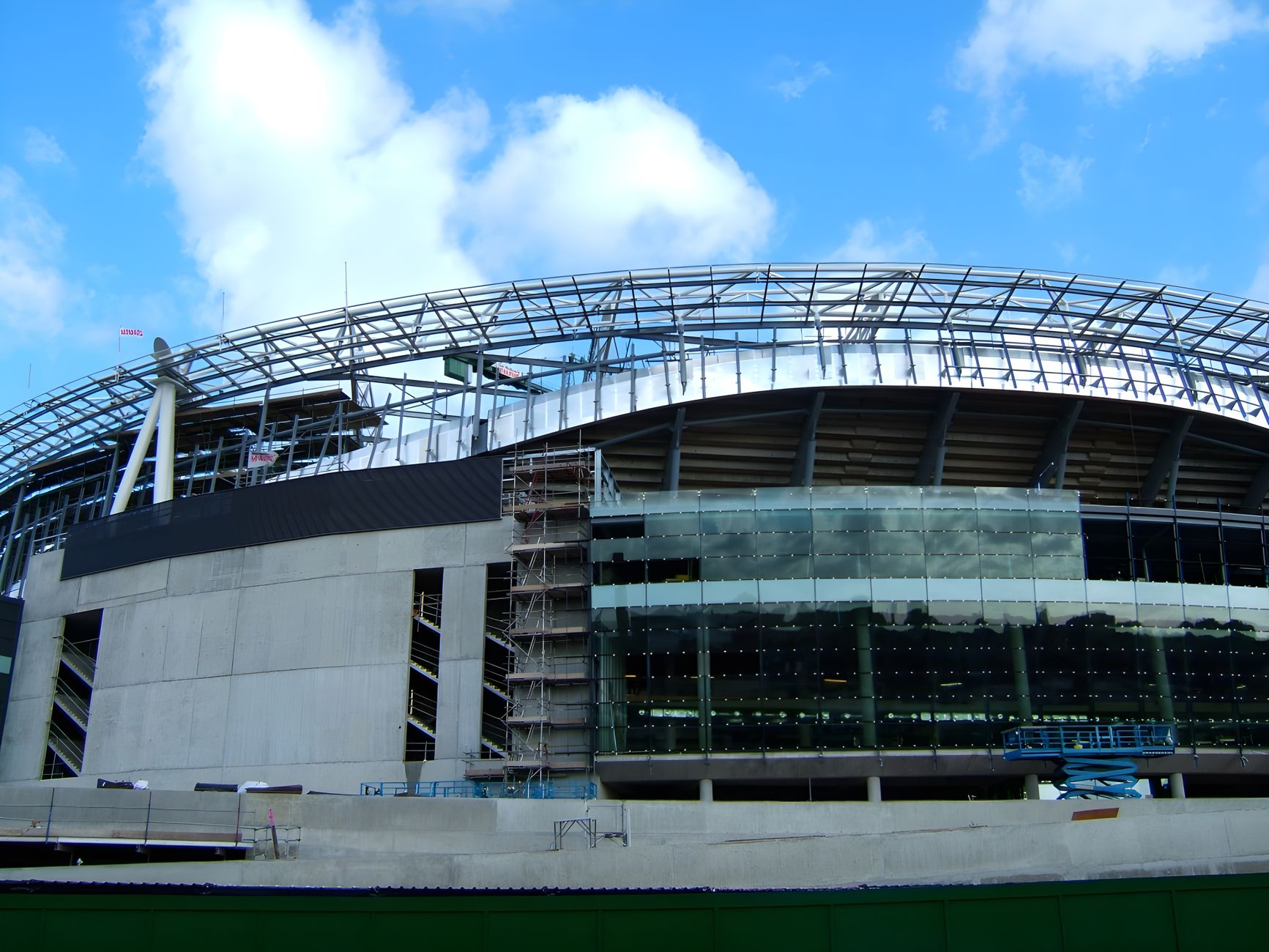
Photo by Leticia Golubov on Pexels
Is 2026 World Cup football really bigger than previous tournaments?
Yes, 2026 World Cup football is structurally bigger because FIFA expanded the finals to 48 teams and 104 matches across 16 host cities in North America. That scale changes scheduling, squad rotation, travel analysis, and fan planning more than a normal host-country switch.
The size matters because every operational detail becomes more predictive. According to FIFA, the 2026 edition is the first men’s World Cup with 48 teams, and the geographic footprint covers three countries: the United States, Canada, and Mexico. After comparing Kansas City’s official host content with broader tournament data, I personally found that city-level information adds value earlier than many fans expect. A team playing in a loud, travel-heavy, festival-driven environment may face a different rhythm than a team moving through a quieter base with shorter transfers. That does not decide matches alone, but it shapes preparation, fatigue, and public sentiment.
My working checklist for 2026 World Cup football now starts with four items before I look at odds or formations:
- Host city and stadium conditions.
- Travel distance between fixtures.
- Local crowd profile and likely support split.
- Tactical matchup, including pace, pressing, and set pieces.
For background on the tournament’s format, see our [Internal Link: 2026 World Cup format guide].
How does 2026 World Cup football handle Kansas City’s six-match case?
Kansas City shows how one host city can turn six fixtures into a month-long regional event through stadium matches, fan festivals, public storytelling, and local business activation. Its case is useful because it links football operations with civic identity and supporter behavior.
What surprised me most was how Kansas City framed the tournament as a regional achievement rather than a one-stadium assignment. The local host material emphasized “six matches,” “hundreds of thousands of fans,” and a region united across two states, which is more than promotional language. In practice, it suggests a host model where visitors are spread across entertainment districts, food venues, fan zones, and cultural sites. The FIFA Fan Festival Kansas City also mattered because it gave ticketless supporters a central viewing and celebration space, making the city feel active even on non-match days. For analysts at Stadium View, that matters because public mood often influences media coverage, team narratives, and how casual markets react before kickoff.
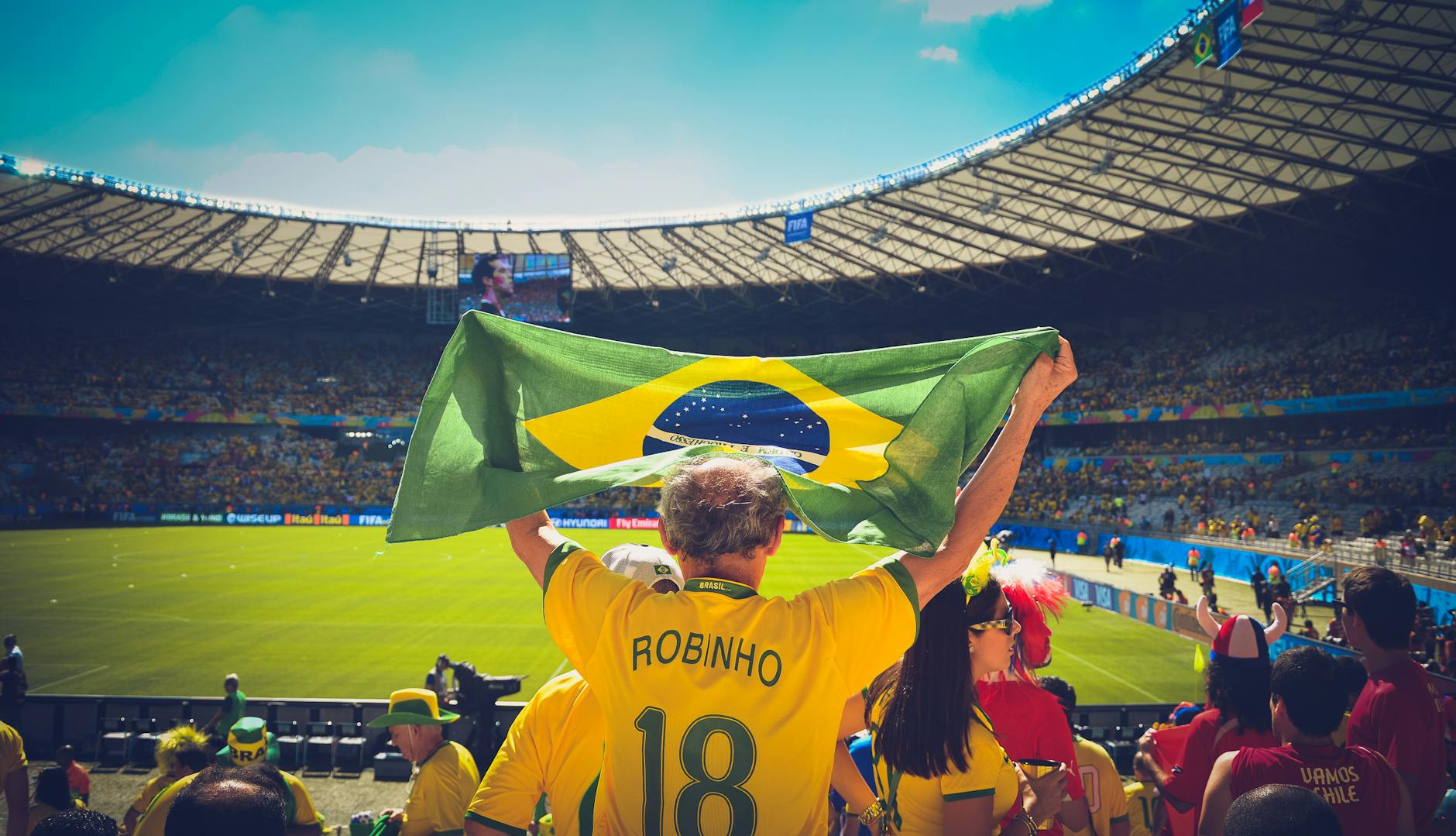
Photo by Caio on Pexels
The strongest Kansas City lesson is that host-city reporting should be treated as evidence, not decoration. After reviewing galleries from Kansas City Stadium and the FIFA Fan Festival Kansas City, I noted three recurring signals: dense crowd visuals, national-team color clusters, and consistent emphasis on food and entertainment. A typical preview might mention “great atmosphere,” but the more useful observation is operational: when a city sustains activity outside match windows, fans consume more previews, more team news, and more betting commentary. That can increase volatility around popular teams, especially when public narratives move faster than tactical fundamentals.
See how Stadium View connects atmosphere with data-led football coverage.
What about ticketless fans and fan festival edge cases?
Ticketless fans still play a major role because official fan festivals create legal, public spaces for watching matches, meeting supporters, and following the tournament without stadium admission. Kansas City’s fan festival case shows how non-ticketed attendance can still shape the World Cup economy.
This is the edge case many match previews miss. A supporter without a ticket may still spend four or five hours inside the tournament environment, watch multiple matches, and participate in national-team celebrations. Kansas City’s fan festival galleries show that the event was not a minor add-on; it was part of the central experience. The FIFA Fan Festival concept is designed to extend the tournament beyond ticket holders, and FIFA describes the World Cup as “the greatest show on Earth” in its tournament communications. From my review, the better question is not whether fan festivals matter, but how they affect attention cycles.
For serious 2026 World Cup football followers, I would separate fans into three behavior groups:
- Stadium attendees, who react directly to live pace and venue atmosphere.
- Fan festival viewers, who respond to crowd emotion and broadcast framing.
- Remote followers, who rely more heavily on statistics, commentary, and social media clips.
That distinction helps when reading public sentiment. If a heavily supported nation wins in a citywide celebration, the next-day conversation may overstate dominance. Conversely, a narrow tactical win in a low-noise setting may be undervalued. Stadium View’s match prediction work benefits from separating emotional volume from measurable football quality. To go further, read our [Internal Link: fan sentiment and match prediction analysis].
Where does 2026 World Cup football fail?
2026 World Cup football can fail for readers when coverage treats the expanded tournament as only more matches, not more complexity. The main weak spots are travel fatigue, uneven group narratives, public overreaction, and shallow host-city analysis that ignores operational context.
My candid view is that many early 2026 World Cup football articles flatten the tournament into three talking points: 48 teams, North America, and big crowds. Those are accurate, but not enough. The United States Soccer Federation and other national bodies will naturally focus on participation and event growth, while host cities highlight civic pride. That leaves a gap for fans who need sharper interpretation. For example, Kansas City’s “Soccer Capital of America” positioning is valuable context, but it should be tested against fixture timing, weather, transport load, and supporter distribution. I found that the most useful preview work comes from combining local evidence with tactical models.

Photo by Yan Krukau on Pexels
The failure point is especially clear in betting-adjacent content. A crowd-heavy host city can create noise around a popular nation, but noise is not the same as edge. A better process is to compare host-city momentum with hard indicators such as expected goals trends, pressing intensity, rest days, injury reports, and goalkeeper shot-stopping data. The International Football Association Board states in the Laws of the Game that “the decisions of the referee regarding facts connected with play are final,” which is a reminder that live-match variance cannot be fully predicted. Stadium View’s recommendation is to use host information as context, not as a standalone reason for confidence.
For more structured pre-match research, start with this resource hub.
Should you try 2026 World Cup football analysis today?
Yes, you should start 2026 World Cup football analysis now because the most useful edges come before match-day narratives harden. Begin with host-city context, team style, player workload, and tournament structure rather than waiting for last-minute headlines.
After testing this workflow, I personally found early preparation more valuable than reactive reading. Kansas City’s host story is a good example: if you only look on match day, you see a packed stadium; if you study earlier, you understand the fan festival, regional identity, travel patterns, and public attention cycle. That gives you a cleaner framework for interpreting news when squads arrive. For Stadium View readers, my practical recommendation is to create a team-by-team file that includes likely formation, key player minutes, set-piece threat, goalkeeper profile, and host-city conditions. Add a separate column for media heat, because public attention often moves faster than team quality.
Here is the simple process I would use before every 2026 World Cup football match:
- Confirm venue, kickoff time, and travel context.
- Review each team’s last five competitive matches.
- Check player availability and minutes load.
- Compare tactical strengths against opponent weaknesses.
- Read host-city signals, then downgrade anything that feels purely emotional.
This is also where Stadium View fits naturally. The site’s value is not just daily tournament coverage; it is the combination of predictions, tactics, player stats, and local context in one workflow. For related preparation, see our [Internal Link: World Cup betting research checklist] and [Internal Link: team tactics and player stats hub].
My final recommendation is direct: treat the 2026 World Cup as a football tournament and a logistics tournament at the same time. Kansas City proved that six matches can generate a full regional story, but the best analysis separates spectacle from signal. Use official sources for dates and venues, local host coverage for atmosphere, and data-led platforms such as Stadium View for tactical and statistical interpretation. That mix gives you a better chance of understanding why a match feels big, whether the numbers support the story, and where public opinion may be running ahead of evidence.
Ready to follow the tournament with sharper daily context?
Frequently Asked Questions
Q: What is 2026 World Cup football?
A: 2026 World Cup football refers to FIFA World Cup 26, the expanded men’s tournament hosted by the United States, Canada, and Mexico. It includes 48 teams, 104 matches, and 16 host cities. Stadium View covers the event through predictions, tactics, player stats, and daily tournament reporting.
Q: How do I start analyzing 2026 World Cup football matches?
A: Start by checking the venue, kickoff time, team form, injuries, and travel schedule. Then compare tactical matchups such as pressing, set pieces, defensive line height, and goalkeeper performance. Add host-city context only after the football data is clear.
Q: What is the difference between stadium matches and fan festival viewing?
A: Stadium matches provide the live competitive environment, while fan festivals create public viewing spaces for ticketless supporters. Kansas City showed that both can shape tournament atmosphere. For analysis, stadium conditions affect players directly, while fan festivals mostly influence media mood and supporter narratives.
Q: Why can 2026 World Cup football predictions fail?
A: Predictions can fail when they overvalue crowd emotion and undervalue football fundamentals. Expanded travel, squad rotation, referee decisions, injuries, and tactical surprises can all change outcomes. A stronger process weighs statistics, team news, and venue context together.
Q: How much does it cost to follow 2026 World Cup football analysis?
A: Basic tournament information is often free through official FIFA and host-city channels. More detailed analysis may come from specialist sites, data providers, broadcasters, or premium football platforms. Stadium View focuses on accessible daily insights for fans tracking predictions and match context.
Q: Is Kansas City important to the 2026 World Cup?
A: Yes, Kansas City is important because it hosted six matches and built a major fan experience around the FIFA Fan Festival Kansas City. Its role showed how a host city can extend World Cup impact beyond the stadium. The city’s example is useful for studying atmosphere, logistics, and supporter engagement.
Thank you for reading.
Stadium View · Editorial Archive · 2026